Hot Ruby: A Playful Display Font for Engaging Publications
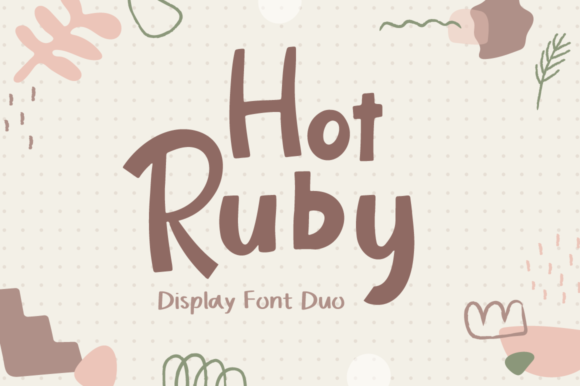
As a content creator or editorial designer, your goal is to craft visually appealing and reader-friendly publications. Choosing the right typeface can make all the difference in capturing attention and conveying tone. Hot Ruby, a display font that blends cuteness with authenticity, offers a unique visual personality ideal for editorial design across blogs, magazines, ebooks, and more. Its playful nature makes it especially effective for children’s activities and school projects, while its friendly curves and clean lines also work well in branding and creative layouts.
Hot Ruby for Children's Publications and Educational Materials
When designing printable guides, worksheets, or lead magnets aimed at younger audiences, Hot Ruby brings an inviting warmth to any layout. Its soft serifs and rounded forms create a sense of approachability, making it perfect for educational materials where engagement matters. From chapter openers in illustrated storybooks to headers in interactive learning modules, this font helps designers establish a fun yet structured reading experience.
- Use Hot Ruby for headings in kids’ recipe ebooks or activity guides
- Incorporate it into printable planners designed for student use
- Make lesson plans and classroom handouts more visually engaging
The font’s authentic feel ensures it doesn’t come off as overly stylized, which is crucial when balancing readability with charm in educational settings. For creators who need to maintain clarity while adding personality, Hot Ruby delivers both in one elegant package.
Hot Ruby in Blog Headers and Magazine Covers
Magazine covers and blog headers often serve as the first impression for readers. With Hot Ruby, you can instantly infuse these elements with a touch of playfulness that stands out without being distracting. The font’s bold presence works well in short bursts of text, such as cover titles or pull quotes, helping to guide the eye and set the mood of the publication.
Consider using Hot Ruby for your next lifestyle blog header or a digital magazine about family life. Its friendly character adds a personal touch, encouraging readers to explore further. Unlike many other display fonts, Hot Ruby maintains legibility even in smaller sizes, making it versatile for both large-format headlines and compact editorial headers.
Hot Ruby for Wedding Guide Covers and Chapter Titles
If you're designing a wedding guide or a themed digital publication, Hot Ruby can lend a whimsical yet sophisticated flair. It’s not just limited to children’s content — the font’s balance of elegance and playfulness suits romantic themes like wedding invitations, anniversary features, or bridal magazines. Pair it with a serif body font for contrast and harmony in your layout.
For example, a chapter opener titled “The Ceremony” in a digital wedding planner becomes more memorable when styled with Hot Ruby. The visual tone is warm and inviting, aligning with the celebratory spirit of the subject matter. This kind of thoughtful typography elevates the overall brand identity and enhances reader connection.
Hot Ruby in Quote Graphics and Pull Quotes
Quote graphics are a staple in newsletters, social media posts, and digital magazines. Hot Ruby shines here due to its ability to command attention while remaining legible. Whether you’re highlighting an inspirational quote from a parenting blog or showcasing a testimonial in a coaching workbook, the font’s expressive style gives the message added impact.
Try using Hot Ruby for key pull quotes in a blog post about creativity in education. Its friendly curves will draw the reader’s eye to the most important insights, reinforcing the voice of the article. Because it is a display font, Hot Ruby is best suited for short blocks of text rather than long paragraphs, but in the context of a quote graphic, it performs exceptionally well.
Font Pairing and Visual Hierarchy with Hot Ruby
One of the joys of working with display fonts like Hot Ruby is the opportunity they offer for thoughtful font pairing. In editorial design, combining a playful display font with a clean sans serif or traditional serif font creates a strong visual hierarchy. Hot Ruby pairs beautifully with minimalist sans serif fonts for navigation bars, captions, or body copy in newsletters and magazines.
- Pair Hot Ruby with Lora or Georgia for a warm, readable combination
- Use Montserrat or Open Sans for a modern contrast in digital publications
- Balance Hot Ruby with a neutral script font for signature-style accents
By using Hot Ruby strategically in section headings or call-out boxes, you can emphasize key points without overwhelming the reader. This kind of intentional typography supports a cohesive brand identity and improves the overall flow of your content.
Hot Ruby for Branding and Publication Identity
Establishing a consistent brand identity is essential for publishers, bloggers, and digital product creators. Hot Ruby contributes to this by offering a distinctive yet approachable typographic style. When used in logos, newsletter headers, or ebook title pages, it communicates a sense of fun and sincerity — traits that resonate well with family-oriented brands, educational platforms, and creative businesses.
Because Hot Ruby is a display font, it works best as an accent or headline typeface. Avoid using it for extended body text in PDFs or printables, but let it take center stage in brand assets like lead magnets or social media templates. Its multilingual support makes it suitable for international audiences, especially if your content reaches diverse markets.
Hot Ruby in Digital Product Design and Lead Magnets
Lead magnets and digital downloads are powerful tools for growing your audience and supporting your brand. Hot Ruby can help these materials stand out in crowded email inboxes or social feeds. Use it for catchy headlines in free printable calendars, activity sheets, or quick-reference guides. The font’s cuteness factor is subtle enough to avoid looking unprofessional but bold enough to attract clicks and shares.
Imagine a downloadable worksheet titled “Creative Kids’ Activities at Home.” Stylizing the title with Hot Ruby immediately conveys a sense of joy and accessibility. Readers are more likely to engage with content that feels personal and inviting, and Hot Ruby delivers just that.
Readability Across Platforms with Hot Ruby
While Hot Ruby is a display font, its design considerations ensure it remains readable on various platforms. On screen, it adapts well to mobile and desktop layouts, especially when used in larger sizes. In print, its clear structure prevents it from becoming too busy, maintaining a professional look even in high-contrast environments.
For PDF exports and print publications, test how Hot Ruby appears at different weights and sizes. Ensure that it complements the rest of your design assets without clashing. If you're creating a multi-platform publication, consider using Hot Ruby in digital versions for a lively touch, while opting for a simpler weight in print for better legibility.
Commercial Licensing and Hot Ruby
Before incorporating Hot Ruby into your paid publications, templates, or digital downloads, always check the font’s commercial licensing terms. Many display fonts are restricted in their use for logos, web design, or mass distribution unless purchased under a specific license. If you plan to sell content such as printable planners, course materials, or branded newsletters, confirm that Hot Ruby allows for such use to protect yourself legally and professionally.
Some font foundries offer licenses tailored for digital product creators and publishers. These may include rights to embed the font in PDFs or use it in client-facing materials. Understanding these details upfront ensures your editorial design choices remain both stylish and compliant.
Hot Ruby in Creator Newsletters and Themed Guides
Newsletters are a direct line to your audience, and the typography you choose should reflect your voice and purpose. Hot Ruby is particularly useful in creator newsletters focused on parenting, early childhood education, or lifestyle topics. Its friendly curves can be used to highlight key sections or add visual interest to a flat layout.
For instance, a section titled “Weekly Tips for Creative Play” could benefit from Hot Ruby styling. This not only draws attention but also reinforces the playful tone of the newsletter. When combined with a clean sans serif for the body text, Hot Ruby becomes a valuable tool for breaking up content and guiding the reader through the piece.
Hot Ruby for Social Media Graphics and Packaging Design
Social media is a key platform for content discovery and sharing. Hot Ruby’s visual appeal makes it a strong candidate for crafting eye-catching social media graphics. Whether it’s a carousel post promoting a new ebook or a teaser image for a printable planner, the font’s personality helps your message resonate quickly with followers.
Additionally, Hot Ruby can bring a unique flair to packaging design for digital products. Think about using it for download buttons, landing page headers, or promotional banners. As part of your editorial design toolkit, it supports both aesthetics and functionality — two pillars of successful content marketing.
Final Considerations for Using Hot Ruby in Editorial Work
Hot Ruby is more than just another display font; it’s a typographic asset that can shape the tone and structure of your publications. By understanding its strengths in editorial design, you can leverage it to enhance visual hierarchy, reinforce brand identity, and increase reader engagement. It’s especially well-suited for niches that value authenticity and playfulness, such as educational publishing, family-focused content, and creative lead magnets.
Whether you're designing a digital magazine, a printable planner, or a themed ebook, Hot Ruby can elevate your typography strategy. Just remember to pair it wisely, test its performance across platforms, and verify licensing permissions for commercial use. With the right approach, this font can become a cornerstone of your design workflow and help you create content that feels both professional and personable.